
External Resources
Written by students at the University of St Andrews, as part of the Summer Teams Enterprise Programme (STEP) 2025
Arctic Organisations
This bioblitz has proven that a group of dedicated people working together can have tangible impact on Arctic conservation. Biodiversity monitoring is incredibly important to help support these habitats and stay aware of the problems they face.
If you’d like to get involved further, here are some organisations focused on Arctic conservation:
MOSJ – Environmental program for Svalbard and Jan Mayen focusing on monitoring the climate and species of the area, as well as the impact of human activities
Ocean Conservancy – Organisation providing education about marine biodiversity and pushing solutions to protect Arctic oceans
Arctic WWF – An environmental charity focused on protecting at-risk areas in the arctic and campaining for sustainable policies
Arctic Council – A collection of arctic states and organisations focused on addressing issues in the Arctic and promoting sustainability
Key Working Groups of the Arctic Council:
CMBR – A key project of CAFF focused on monitoring biodiversiy and responding to issues facing arctic ecosystems
Wildlife Resources
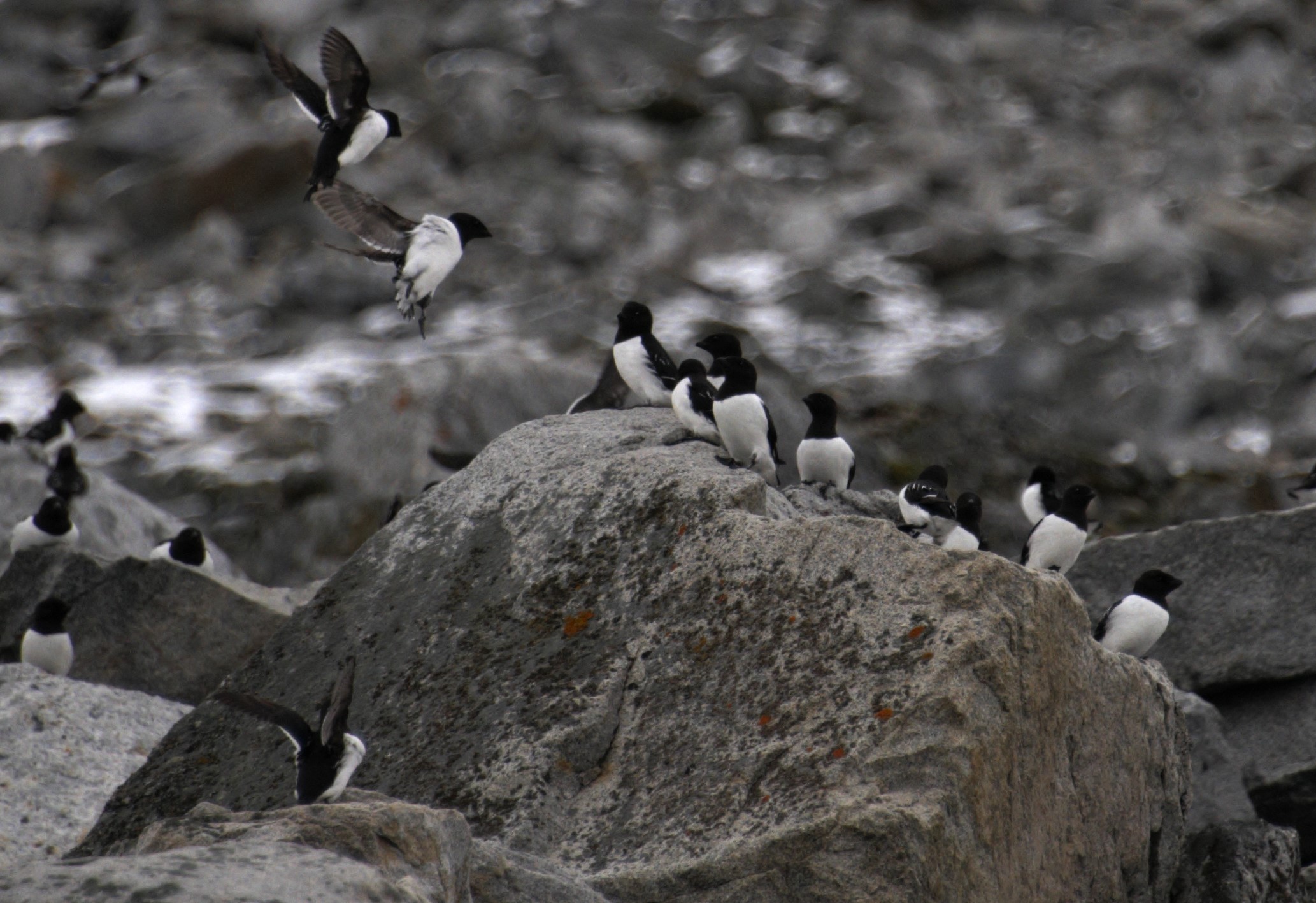
Many Arctic species are being negatively impacted by the warming climate. Monitoring biodiversity helps us to track how their populations are changing and what we can do to minimise the damage this can cause to the ecosystem/ restore the ecosystem.
Here are some resources to learn more about Arctic species and the effects of climate change:
Climate change is impacting several Arctic species
Species are having to adapt to food shortages and changing seasons in order to survive.
Svalbard in particular is home to a number of affected species
All species in an ecosystem coexist and affect each other
Arctic plant species have changed in both distribution and concentration due to the warming temperatures.
There is also variation in how different plant species have reacted, leading to increased competition.

For animals, warming temperatures are not the only threat they face.
Polar bears are heavily impacted in a number of ways, from melting ice destroying their habitat to ingesting pollutants in their food. However, there are actions being taken to protect them and there are ways that you can help too.
Svalbard’s reindeer population has been recovering from extreme hunting, but is now being impacted by the changing ecosystem.

Arctic birds are facing increased competition as they now migrate further northward to breed.
They are also exposed to pollutants, as they spend significant time at sea.
Pollutants and plastics are carried to the Arctic from all over the world.
Sea ice melting is also a huge issue, reducing food sources and affecting ice-obligate species like Mandt’s Black guillemot.

Smaller species are no less important: insects greatly affect other aspects of the ecosystem.
Any change in insect populations will be felt by all species.
Species of insects are being affected differently based on their diet.
The effect of climate change on the fungi may not be as rapidly felt, but they are likely to face increased competition with certain plant species.
Fungi are also reacting differently to warming temperatures.